
A Complete Guide to Construction Equipment Rental Software for Modern Businesses
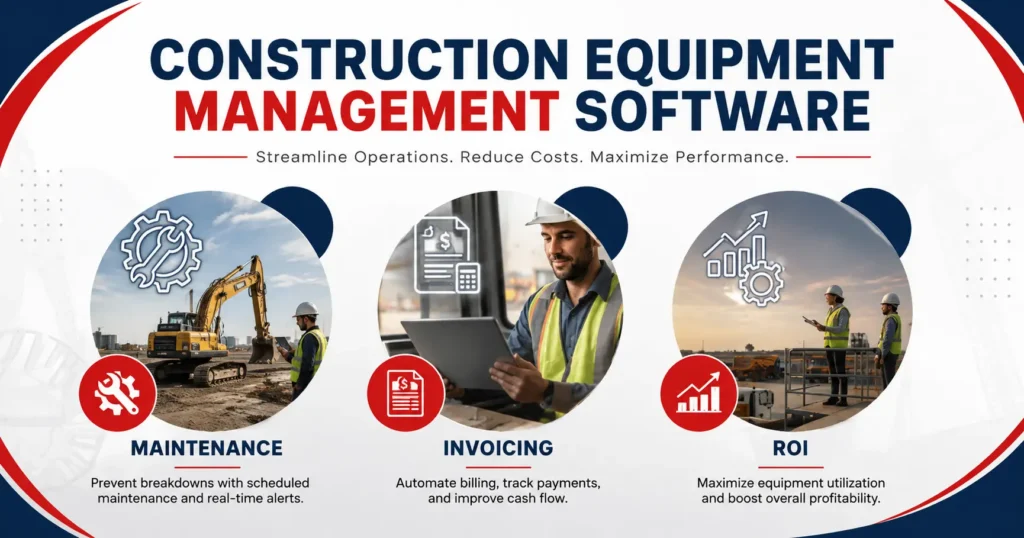
Construction projects rely heavily on equipment that must be available, safe, and ready for use at the right moment. Excavators, boom lifts, cranes, skid steers, and power tools all play a major role in keeping job sites active. For rental companies, managing these assets manually becomes difficult as inventory expands, and customer demand fluctuates.
This is where construction equipment rental software becomes important. It helps rental businesses handle equipment availability, reservations, invoices, service tasks, inspections, and customer communication in one structured system. Instead of navigating many spreadsheets or running behind teams for updates, rental managers can work with clear data that supports daily decision-making.
This blog explains how rental software supports construction businesses, the core features to look for, and how these tools reduce errors and improve operational clarity. The content is written in a simple, practical style that any reader can understand.
Why Construction Rental Businesses Need Digital Support
Construction rental companies operate in a fast-paced environment where delays, missing information, and miscommunication can stop a job site completely. Manual processes often create several issues that affect both rental companies and contractors.
According to the American Rental Association (ARA), equipment rental continues to play a critical role in construction projects as contractors seek flexible access to equipment without the high capital costs of ownership. This growing demand places greater importance on accurate scheduling, maintenance planning, and fleet visibility.
Common Challenges Faced by Construction Rental Companies
- Manual scheduling problems
Without a central system, teams struggle with overlapping bookings, wrong dates, or late deliveries. - Difficulty tracking equipment availability
Teams often rely on phone calls or outdated spreadsheets to confirm what is available or on rent. - Poor visibility across multiple branches
If a company operates in different locations, finding out which branch has spare equipment becomes time-consuming. - Maintenance and inspection delays
When equipment is used heavily, missing inspections or repairs leads to breakdowns during active projects. - Inaccurate billing
Incorrect rental periods, missing charges, or manual miscalculations reduce revenue. - Unclear service history
Without proper maintenance logs, companies cannot estimate equipment condition or plan replacements.
These challenges show why rental companies gradually move to digital systems that bring structure to the entire rental cycle.
How Rental Software Supports Construction Operations
A rental management platform brings all rental tasks into a single place. It gives equipment owners the ability to view status, track performance, manage repairs, and update contracts efficiently.
Below is a clear breakdown of how such software helps construction rental firms operate with confidence.
Equipment Availability and Fleet Visibility
Construction machines are constantly moving across job sites. Losing track of their location or status creates confusion and delays.
A good rental system provides:
- A real-time list of available, on-rent, down, or under-inspection equipment
- Filters to view assets by type, category, or location
- Visual calendars showing when each piece is booked
- Indicators that highlight equipment needing service
This visibility helps rental managers plan better and avoid double bookings.
Quick Reservation and Order Management
The rental cycle usually begins when a contractor requests equipment for a specific period. Handling this manually increases the chances of missing details.
Rental software simplifies the process through:
- Digital quotations
- One-click conversion from quote to reservation
- Automatic data filling based on customer records
- Allocation of specific asset units
- Contract creation for long and short-term rentals
This saves time and ensures every order has complete and accurate information.
Having standardized rental agreements is equally important. Rental companies can follow equipment rental contract best practices to reduce billing disputes and improve customer accountability. Learn what to include in an equipment rental contract.
Transport and Delivery Scheduling
Delivery delays on construction sites can bring work to a halt. Clear coordination between dispatchers, drivers, and rental teams is essential.
The software helps manage:
- Pick-up and drop-off scheduling
- Delivery route planning
- Job site address tracking
- Transport ticket creation
- Driver notifications
- GPS-based location updates (if integrated)
Such tools ensure equipment reaches the correct site at the correct time. Tools like a rental scheduler help dispatchers coordinate deliveries, pickups, and equipment availability from a single calendar view.
Inspections and Quality Checks
Every construction asset must undergo inspection before and after a rental. Paper checklists often come with missing details, lost forms, or inaccurate notes.
Digital systems allow:
- Pre-rental and post-rental inspection templates
- Photo and video capturing
- Damage recording
- Technician assignment
- Automatic status updates like Rent Ready, Needs Service, or Down
Clear inspection records protect rental companies from disputes and ensure equipment remains safe for the next job.
Preventive Maintenance and Service Tracking
Construction machinery needs regular servicing due to heavy usage. If maintenance is reactive instead of scheduled, breakdowns become common.
Rental software supports maintenance with:
- Automated reminders based on meter, hour, or odometer readings
- Preventive maintenance scheduling
- Service order creation
- Tracking of labour hours and parts used
- Maintenance history logs
Regular service reduces equipment downtime and extends asset life.
Companies using preventive maintenance software can schedule service activities proactively rather than reacting to unexpected breakdowns.
Job Site Equipment Tracking and GPS Integration
Theft, misuse, and unauthorized operation are common risks in construction rentals. GPS and IoT connectivity enhance visibility.
With integrated IoT devices, companies can monitor:
- Real-time location
- Running hours
- Idle time
- Overuse or misuse
- Fuel consumption
- Alerts for unauthorized movement
This helps recover lost equipment and ensures fair billing.
Accurate Billing and Invoicing
Manual invoices often include errors such as:
- Wrong rental duration
- Missing add-on charges
- Inconsistent pricing
- Forgotten transport fees
- Incorrect taxes
A rental system addresses these issues by offering:
- Automatic invoice generation
- Monthly or 28-day billing cycles
- Meter-based charges
- Partial return handling
- Discounts at line-item level
- Integrated payment options
This improves cashflow and reduces invoice disputes.
Reporting and Data Insights
Construction rental companies must track performance indicators to understand how their fleet is performing. Decisions about buying new machines, selling old ones, or adjusting prices depend on accurate insights.
Useful KPIs include:
- Time utilization
- Financial utilization
- Rental revenue by category
- Maintenance-to-income ratio
- Rental days
- Fleet age and replacement value
- Overdue maintenance
- Idle equipment rate
Powerful reporting helps managers compare branches, study seasonal trends, and forecast demand.
Integration With Accounting, CRM, and Websites
Rental operations link several business functions. Without integration, teams must enter the same data multiple times.
A good system connects with:
- Accounting solutions such as QuickBooks or Business Central
- CRM systems
- Company websites for online booking
- Payment gateways
- Marketing automation tools
- IoT and GPS hardware
This makes workflows faster and prevents human error.
Customer-Portals for Contractors
Contractors prefer immediate access to their rental information.
Customer portals usually offer:
- Live contract details
- Previous invoices
- Active rentals
- Delivery schedules
- Inspection reports
- Support request options
This reduces customer service load and improves transparency.
Practical Benefits for Construction Rental Companies
Below are some of the most valuable outcomes of adopting rental management software.
- Reliable scheduling
Teams can plan rentals without conflicts.
- Clear fleet visibility
Managers know exactly where equipment is and what condition it is in.
- Fewer breakdowns
Maintenance reminders help keep machines healthy and ready for work.
- Better revenue accuracy
Billing cycles, add-on charges, and meter-based fees are correctly applied.
- Time savings for staff
Reduced paperwork and fewer repeat entries allow teams to focus on core tasks.
How to Select the Right Rental Solution
Choosing a system is a long-term decision. Consider the following factors before finalizing a platform.
Construction-focused capabilities
Make sure the construction-focused capabilities on a software supports heavy machinery rentals, not only small tools.
Serialized asset management
Each piece of equipment must be tracked individually.
Multi-location inventory control
If you operate across branches, you need visibility for every site.
Maintenance functions
Look for preventive maintenance triggers, service orders, and repair logs.
Transport management
Built-in transport tickets, job site tracking, and dispatch coordination are essential.
Strong reporting
ARA-based KPIs help you measure performance accurately.
Integration options
The software should connect with accounting, CRM, websites, GPS, and payment tools.
Ease of use
Software should be simple enough for all teams to adopt quickly.
Customization options
Every rental company operates differently, so flexibility matters.
Taking the time to assess these points will help you choose a tool that supports both current needs and future expansion.
How PREXA365 Helps Construction Equipment Rental Companies
PREXA365 brings rental operations, dispatching, maintenance, inspections, quoting, invoicing, and reporting into a single platform. Construction rental businesses can manage equipment availability, coordinate deliveries, schedule maintenance, and track utilization without relying on multiple disconnected systems.
With PREXA365, companies can:
- Track serialized equipment
- Schedule preventive maintenance
- Manage job-site deliveries
- Generate rental contracts and invoices
- Monitor fleet utilization
- Integrate telematics and accounting systems
- Gain real-time operational visibility
Conclusion
Rental operations in the construction sector deal with frequent equipment movement, demanding schedules, and strict maintenance requirements. Working manually creates delays, confusion, and avoidable costs.
A reliable rental management system helps construction companies control their equipment, track service needs, manage reservations, and maintain accurate billing. With improved visibility, efficient processes, and data-backed decisions, rental companies can support contractors more effectively and operate with greater clarity.
The right platform brings structure to the entire rental cycle and becomes an essential part of daily operations. Book a free demo or call us at +1(905)917-0365 to know more.
Frequently Asked Questions
What is rental software used for in the construction industry?
It manages equipment availability, rental contracts, invoices, inspections, service orders, customer records, and fleet movement in a structured digital system
Can it help prevent double bookings?
Yes, rental software shows equipment status in real time and alerts teams when a machine is already booked.
Does the software support long-term rentals?
Most systems offer monthly, weekly, and custom billing cycles, making them suitable for long-term projects.
How does it help with maintenance?
It tracks meter readings, schedules preventive service, logs all repairs, and reminds teams when equipment needs attention.
Can construction companies integrate GPS tracking with rental software?
Yes, many platforms support GPS or IoT devices to monitor location, running hours, and unauthorized use.


