
How Rental Fleet Management Software Reduces Equipment Downtime
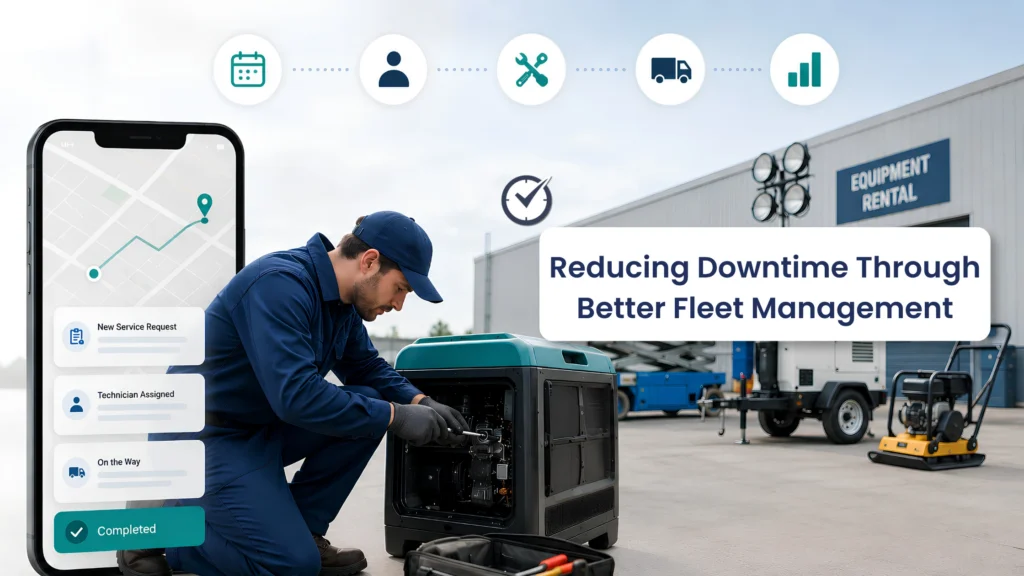
Equipment downtime is one of the most expensive challenges rental businesses face. Every asset sitting idle due to delayed repairs, missed inspections, or poor service coordination represents lost revenue and reduced utilization. At the same time, customers expect reliable equipment, quick issue resolution, and minimal disruption to their projects. Rental fleet management software provides a structured approach to coordinating maintenance activities, inspections, technicians, work orders, and service schedules so that assets remain available, and rental operations continue running smoothly.
For many rental companies, field service activities extend far beyond basic repairs. Technicians may be responsible for conducting inspections, responding to breakdowns, performing preventive maintenance, handling equipment exchanges, and supporting delivery or pickup operations. When these activities are managed through phone calls, spreadsheets, emails, or disconnected systems, delays become difficult to avoid.
As rental fleets expand across multiple locations and customer sites, service coordination becomes increasingly complex. Businesses need visibility into technician workloads, equipment condition, maintenance schedules, and service priorities. Without this visibility, downtime increases, customer satisfaction declines, and operational costs begin to rise.
Why Service Operations Have Become a Strategic Function
Many rental organizations traditionally viewed service departments as support functions that existed primarily to repair equipment when problems occurred. That approach has changed significantly.
Today, service operations play a direct role in revenue generation because equipment availability depends heavily on maintenance execution and service responsiveness. An asset that remains unavailable for several days due to poor scheduling or communication cannot generate rental income regardless of customer demand.
Modern rental companies increasingly recognize that service operations influence:
- Fleet utilization
- Customer satisfaction
- Maintenance costs
- Asset lifespan
- Revenue generation
- Safety compliance
As a result, field service management has become an important operational discipline rather than simply a maintenance activity. Organizations that connect service operations with rental workflows often gain better control over equipment readiness and customer commitments.
Downtime Usually Starts Long Before Equipment Breaks Down
When people think about downtime, they often focus on equipment failures. In reality, many downtime events begin much earlier.
Poor maintenance planning, delayed inspections, incomplete service records, and lack of visibility into asset conditions frequently contribute to equipment becoming unavailable.
Consider a common scenario. A customer reserves a piece of equipment for an upcoming project. The reservation is confirmed, transportation is scheduled, and delivery dates are communicated. A few days before deployment, the operations team discovers the equipment is overdue for maintenance or awaiting inspection.
The result is often a last-minute scramble that affects multiple departments.
This type of disruption can create:
- Delayed deliveries
- Customer dissatisfaction
- Increased service costs
- Scheduling conflicts
- Reduced equipment availability
Field service management helps reduce these situations by ensuring maintenance and inspection activities are visible and coordinated before they affect rental commitments.
Preventive Maintenance Plays a Central Role in Service Coordination
One of the most effective ways to reduce downtime is preventing problems before they occur. Preventive maintenance allows organizations to schedule service activities based on asset usage, operating hours, meter readings, or predefined intervals.
PREXA365 supports preventive maintenance workflows that automatically create maintenance records and notify service teams when maintenance becomes due. Service schedules can be based on factors such as hours, days, odometer readings, or equipment-specific usage measurements.
Rather than reacting to failures, service teams can proactively manage equipment readiness.
The benefits often include:
- Fewer unexpected breakdowns
- Improved equipment availability
- Better maintenance planning
- Reduced repair costs
- Longer asset lifespan
Many rental companies strengthen these efforts through dedicated Preventive Maintenance Software for rentals, helping teams manage inspections, service schedules, work orders, and maintenance history from a centralized environment.
Preventive maintenance is not simply a service activity. It is one of the most effective methods for protecting utilization and revenue.
Work Order Visibility Helps Service Teams Respond Faster
As fleets grow, service teams often manage dozens or even hundreds of maintenance requests simultaneously. Without a structured process, work orders can become difficult to prioritize and track.
Questions quickly arise:
- Which repairs are most urgent?
- Which assets are already reserved?
- Which equipment affects customer commitments?
- Which technicians are available?
- What parts are required?
Trusted sources say that rescue services had achieved a response time approximately 25% while using real-time dispatch technology.
Vaughan Fire and Rescue Services:
- Had an average emergency response time of 6 minutes and 19 seconds
- Processed 11,430 emergency calls in 2015
- Used a computer-aided dispatch system to coordinate and dispatch response vehicles.
A centralized service management process helps answer these questions more efficiently. A robust rental solution supports service workflows that help organizations track maintenance activity, inspections, service tickets, and equipment status throughout the service lifecycle.
When service teams have visibility into work order status, they can allocate resources more effectively and reduce delays. Organizations seeking stronger operational control often implement dedicated service management software for rentals that connect maintenance activities directly to rental operations and asset records.
Equipment Inspections Should Be Treated as Operational Assets
Inspections are sometimes viewed as administrative requirements. In reality, inspections play a significant role in maintaining equipment quality and reducing risk.
A rental platform allows inspection records to be created directly within rental workflows, enabling organizations to conduct pre-rental and post-rental inspections using structured inspection templates. This creates several advantages. Inspections help:
- Identify equipment issues early
- Improve maintenance planning
- Reduce unexpected failures
- Support safety requirements
- Document asset condition
For rental businesses operating large fleets, inspection data becomes an important source of operational insight. When inspections are consistently completed and recorded, service teams gain a clearer understanding of equipment condition across the entire fleet.
Service Coordination Directly Influences Customer Satisfaction
Customers generally care less about maintenance processes than they do about outcomes. They want equipment that arrives on time, operates correctly, and remains available throughout the rental period.
When service operations are poorly coordinated, customers may experience:
- Delivery delays
- Equipment failures
- Longer response times
- Extended repair periods
- Project interruptions
These issues can affect customer confidence and reduce the likelihood of repeat business.
A well-organized service operation improves communication between service teams, operations staff, and customer-facing employees. Everyone has access to the same information regarding equipment condition, maintenance status, and service activity. This visibility helps create a more predictable customer experience.
Organizations that integrate service and customer management processes often strengthen communication through Customer Relationship Management tools that provide visibility into customer history, service interactions, and rental activity.
Asset Availability Depends on Service Efficiency
One of the most important measurements in rental operations is asset availability. Equipment can only generate revenue when it is ready for rent. Field service management contributes directly to availability by reducing the amount of time equipment spends:
- Waiting for inspection
- Waiting for repair
- Waiting for parts
- Waiting for technician assignment
- Waiting for maintenance approval
The faster service activities move through the process, the sooner equipment becomes available for rental. This relationship becomes especially important for high-demand asset categories where even short periods of downtime can affect revenue.
Companies seeking deeper visibility into equipment performance often complement service operations with Rental Software that tracks maintenance history, utilization trends, asset status, and lifecycle performance.
The benefits of using rental software for proactive maintenance and field service coordination creates a stronger foundation for improving fleet readiness.
Data Helps Service Managers Make Better Decisions
Field service teams generate large amounts of operational data every day.
Examples include:
- Work orders
- Inspection results
- Maintenance history
- Downtime records
- Technician activity
- Service costs
Without reporting tools, much of this information remains underutilized. Rental platform includes reporting capabilities that help organizations monitor equipment availability, maintenance activities, and operational performance. The platform also supports Power BI integration for more advanced reporting and analysis.
Reporting can help answer important questions:
- Which assets experience the most downtime?
- Which categories generate the highest maintenance costs?
- Are preventive maintenance schedules effective?
- How quickly are service tickets completed?
- Which assets should be replaced?
Organizations often gain additional insight through a dedicated Rental Reporting System, allowing management teams to analyze service performance alongside utilization, revenue, and fleet activity.
Signs Your Service Operations Need Better Coordination
Many rental companies experience service challenges without immediately recognizing the underlying causes.
Some common warning signs include:
- Frequent equipment breakdowns
- Missed maintenance schedules
- Delayed repairs
- Incomplete inspection records
- Poor visibility into work orders
- Rising downtime levels
- Customer complaints regarding equipment condition
These issues often indicate that service processes are becoming difficult to manage through manual methods. Improving coordination, visibility, and scheduling can significantly reduce operational disruptions.
Conclusion
Equipment downtime affects far more than maintenance departments. It influences utilization, customer satisfaction, revenue generation, and overall operational performance. As rental businesses grow, coordinating inspections, maintenance schedules, work orders, and technician activities become increasingly important.
Field service management provides the structure needed to keep service operations aligned with rental commitments. By improving visibility into equipment condition, maintenance requirements, and service activity, organizations can reduce downtime and improve fleet readiness.
With better service visibility and proactive maintenance, rental businesses can reduce downtime, improve fleet readiness, and consistently meet customer commitments. Ready to strengthen your field service operations? Book a free demo today or call us at +1(905)917-0365
Frequently Asked Questions
What is field service management in equipment rental?
Field service management involves coordinating maintenance activities, inspections, repairs, technicians, work orders, and service schedules to keep rental equipment operational and available.
How does field service management reduce downtime?
It improves visibility into maintenance requirements, inspection schedules, technician workloads, and repair activities, helping organizations address issues more quickly.
Why is preventive maintenance important?
Preventive maintenance helps identify and resolve potential issues before equipment failures occur, reducing downtime and extending asset lifespan.
Can field service management improve customer satisfaction?
Yes. Better service coordination often results in faster repairs, more reliable equipment, and improved communication with customers.
How does service management affect utilization?
Equipment that spends less time awaiting maintenance or repair is available for rent more frequently, contributing to higher utilization rates.


