
How Trailer Rental Software Increases Rental Profitability
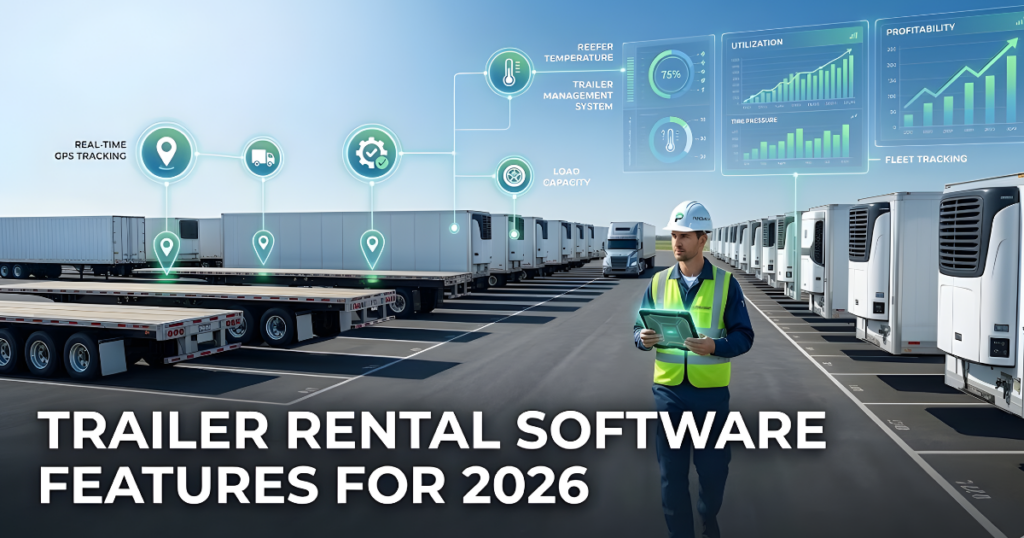
The trailer rental industry is on the verge of significant transformation. As we look toward 2026 and the years that follow, older ways of managing operations will no longer be enough. Customer demands are changing rapidly. Regulatory requirements are becoming stricter. Supply chains are increasingly complex.
To stay competitive and remain profitable, rental businesses must move beyond simple tracking. They need a robust trailer rental software solution. Such a system does not just record rentals; it serves as the central hub for the entire operation.
In the near future, the difference between a thriving rental business and one that struggles will be technology. If you are still using spreadsheets or outdated systems, your competitor with a modern trailer management system has a distinct advantage. This post details the crucial features you must prioritize when selecting or upgrading your trailer rental software for 2026 and beyond.
The Evolution of Trailer Rentals Toward 2026
The market is vastly different than it was a decade ago. It is no longer enough to own trailers and wait for the phone to ring. Now, customers expect a quick, digital, and reliable experience.
By 2026, several factors will define success in the trailer rental sector:
- Higher Asset Utilization: You must keep assets moving. Idle trailers cost money every day.
- Predictive Maintenance: Preventing breakdowns before they happen
- Instant Visibility: Knowing exactly where every asset is and its condition at all times.
- Data-Driven Decisions: Eliminating guesswork in pricing and fleet planning
A modern trailer rental software is the foundation for meeting these demands. It gives you the tools needed to manage resources, customers, and financials in one centralized location. Let us explore the specific features that will prove essential.
Integrated Telematics and Real-Time GPS Tracking
GPS tracking is no longer optional; it is a baseline requirement. However, simple location data is only the beginning. True trailer tracking and telematics will go much deeper.
Your software should integrate directly with smart sensors installed on the trailers. This setup allows you to monitor more than just location. The system can track:
- Odometer readings and engine hours (for specialized trailers): Crucial for maintenance. The U.S. Department of Energy states that keeping tires properly inflated can improve fuel economy by 0.6% on average and by as much as 3%.
- Tire pressure monitoring: Essential for safety and fuel efficiency.
- Door open/close status (for enclosed trailers): Adds security and accountability.
- Cargo temperature (for reefers): This ensures compliance with food safety regulations. The FDA recommends keeping refrigerated food at 40°F, or 4°C, or below to slow bacterial growth
This allows maintenance to be scheduled based on actual usage, reducing downtime and preventing costly failures.
Dynamic Pricing Capabilities
The days of static, flat-rate pricing for trailer rentals are fading quickly. Other rental industries have long used dynamic pricing based on demand. Trailer rental businesses must adapt to this model to maximize revenue.
Modern trailer rental system needs a pricing engine that analyzes several variables in real-time. This includes:
- Current Utilization
- Seasonal Demand
- Rental Duration
- Customer History
When your software dictates the optimal price based on data, you stop leaving money on the table during peak times and avoid empty yards during slow periods. For internal help with pricing strategies and asset utilization, look at the best tips to approach to fleet management.
Digital Inspects and Mobile Accessibility
The yard is where the work happens. Therefore, your software cannot be tethered to a desktop computer in an office. A fully functional mobile application is a requirement for modern trailer rental software.
Yard staff must be able to perform inspections quickly on a tablet or smartphone. Digital inspections solve multiple problems simultaneously:
- Consistent Checklists
- Photo Documentation
- Digital Signatures for Accountability
This reduces disputes, improves transparency, and speeds up turnaround times.
Advanced Maintenance Management and Prediction
As mentioned, waiting for something to break is a failed business model. A proactive maintenance strategy is vital.
Furthermore, the system must organize the maintenance process. This includes:
- Work Order Management
- Parts Inventory Control
- Service History Tracking
Excellent maintenance keeps your trailers safe and compliant. It also extends their useful lifespan, improving your overall ROI.
Customer Self-Service Portals
Customers in 2026 will value convenience highly. They want to avoid unnecessary phone calls and emails. A robust customer self-service portal is therefore a critical feature.
The portal gives customers autonomy. They should be able to:
- Check Real-Time Availability
- Book Rentals instantly
- Request Service or Reports
This improves customer experience while reducing administrative workload
Comprehensive Financial and Operational Reporting
Look for a system that generates detailed, customizable reports on all operational aspects. Essential reports include:
- Revenue per Trailer
- Utilization Rate Trends
- Maintenance Costs vs. Revenue
- Damage Recovery Rates
Data-driven visibility allows you to make confident decisions about fleet expansion, purchasing, and market focus. With the right data, you can confidently plan fleet expansion, pricing strategies, and operational improvements.
Compliance and Regulatory Management
The regulatory environment around transportation and logistics is becoming increasingly complex. From safety standards to environmental regulations, your business must remain compliant.
The trailer rental software you choose must assist you in managing compliance. This includes:
- Storing Permits and Licenses
- Tracking Mandatory Inspections
- Driver Compliance (for power unit rentals)
- Tax Management
This ensures your business avoids penalties and operates smoothly. A dedicated compliance feature ensures that these critical tasks are not overlooked in the daily hustle.
Preparing Your Business for 2026
The future of trailer rental is clear: technology is no longer optional – it’s essential. A modern trailer rental software gives you control, visibility, and data.
By investing in modern software with features like telematics, dynamic pricing, and self-service capabilities, you position your business for long-term success. You’ll improve efficiency, enhance customer satisfaction, and maintain control over your operations.
Conclusion
Trailer rental businesses are entering a more connected and data-driven era. Features such as real-time GPS tracking, telematics, dynamic pricing, digital inspections, predictive maintenance, customer portals, and detailed reporting are quickly becoming essential for improving efficiency and profitability.
The right trailer rental software should help you reduce downtime, improve fleet utilization, protect your assets, and deliver a faster experience to customers. It should also give your team a reliable system for managing rentals, maintenance, compliance, billing, and operational performance.
Preparing for 2026 means choosing technology that can support your business today while giving you the flexibility to grow tomorrow.
Ready to modernize your trailer rental operations? Book a free demo and see how a connected rental platform can help you manage your fleet more effectively. Call us at +1 (905) 917-0365 to get started.
Frequently Asked Questions
What is the best trailer rental software for a small business?
Small businesses should look for a system that is easy to set up but can scale as the fleet grows. The best choice is often a cloud-based solution that doesn’t require complex on-site servers. Prioritize features like digital inspections and automated billing. These tools help a small team manage more trailers without adding more office staff. PREXA365 is designed to be accessible for businesses of all sizes while providing the professional tools needed to compete with larger national chains.
Can trailer rental software help with DOT compliance?
Yes, compliance is one of the most important benefits of modern software. The system acts as a digital filing cabinet for all mandatory documents, including annual inspections, registration, and maintenance logs. Most advanced trailer rental software will send automatic alerts when a permit is about to expire or when a trailer is due for a safety check. This keeps your fleet legal and reduces the risk of heavy fines during roadside audits.
Does the software include GPS tracking for trailers?
Many modern platforms integrate directly with telematics providers to show your trailers’ locations on a live map. This integration allows you to see mileage for maintenance tracking and ensures you can recover assets if they are not returned on time. By 2026, the standard for trailer rental software involves more than just location; it includes “smart trailer” data like tire pressure and door status, which is visible directly inside your rental dashboard.
How much does trailer rental software typically cost?
Costs vary based on the size of your fleet and the features you need. Most providers use a subscription model, often charging per asset or per user. This is beneficial because it allows you to pay only for what you use. While there is an upfront investment, the software usually pays for itself by reducing labor hours spent on paperwork, improving damage recovery through digital photos, and increasing your overall fleet utilization.


